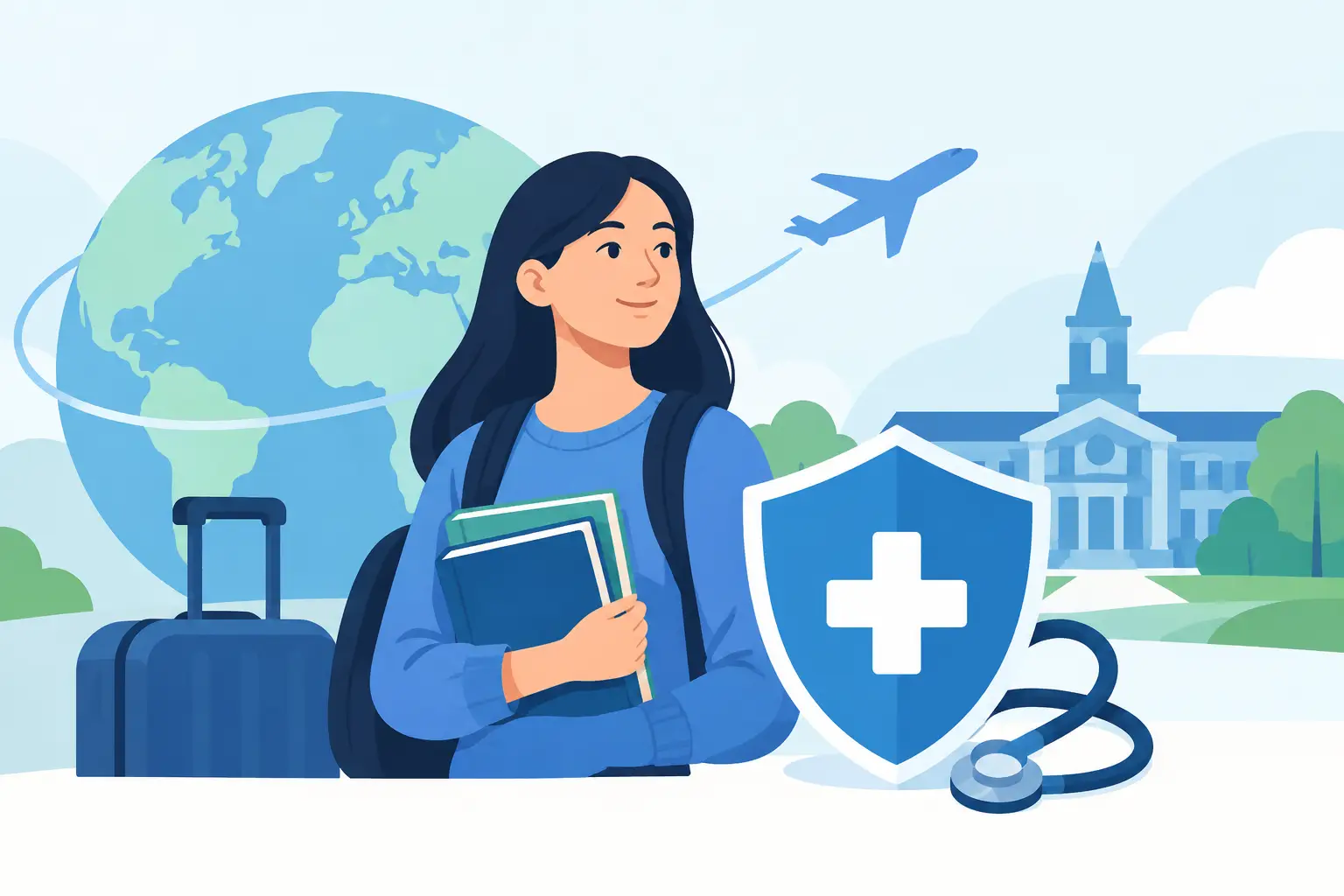
International recruitment rarely breaks down because a university lacks interest from prospective students. It breaks down when students, parents, counselors, and agents cannot quickly find information they can trust or move from inquiry to application without repeated emails, outdated documents, and uncertainty. A student recruitment platform for universities addresses that gap by putting the right information, people, and next steps in one centralized location.
For institutions recruiting across borders, this is more than a marketing tool. It is a practical operating system for presenting programs accurately, responding to demand efficiently, and helping qualified students make informed decisions. For students and families, it replaces a fragmented search process with clearer comparisons, direct access to admissions requirements, and support that continues beyond an acceptance letter.
What a student recruitment platform for universities should do
A platform should support the complete path from discovery to enrollment, not simply collect names through a web form. Prospective students need to compare schools, courses, tuition, scholarships, locations, and entry requirements before they are ready to apply. Universities need a dependable way to publish this information, maintain it, and receive applications from students whose interests and qualifications align with their offerings.
The strongest platforms connect these needs. An institution can present current program details and admissions criteria directly. A student can search and filter options based on level of study, subject area, country, budget, language requirements, or scholarship availability. An education agent can counsel a student using the same current information the university has provided. Parents can review costs, safety considerations, and available services with greater confidence.
That shared source of information matters. When different audiences rely on different spreadsheets, brochures, or old web pages, confusion becomes part of the recruitment experience. A centralized platform reduces avoidable discrepancies before they become lost applications or disappointed families.
Accurate information is a recruitment advantage
Students making an international education decision are comparing more than rankings. They are asking specific questions: Does this program lead to the qualification I need? What are the tuition costs? Are scholarships available? Can I meet the academic and English-language requirements? What happens after I arrive?
If answers are difficult to locate, students often move on to an option that feels easier to understand, even when the first university may have been a better academic fit. This is particularly true for families managing a major financial decision from another country. Clear, current information is not a minor website detail. It is part of institutional credibility.
A useful recruitment platform gives universities control over the information prospective students see. Programs, fees, admission requirements, promotions, deadlines, and financial-aid opportunities should be easy to update and easy for the right audience to find. That improves transparency while reducing the time admissions teams spend correcting inaccurate information shared by third parties.
There is a trade-off. Publishing more information requires ownership and regular review from university teams. Yet the alternative is often more expensive: staff time spent answering routine questions, agents working from old fee sheets, and applicants arriving with expectations that do not match the program. A well-managed platform shifts effort toward maintaining reliable records rather than resolving preventable confusion.
Better matching starts before the application
High inquiry volume is not the same as strong recruitment performance. Universities benefit when prospective students can determine early whether a program is appropriate for their goals, preparation, and budget. Students benefit when they are not encouraged to apply to pathways for which they are unlikely to qualify.
Search filters, detailed course listings, and transparent entry criteria make this early matching possible. A learner interested in a master's degree in data analytics, for example, should be able to distinguish between programs by duration, tuition, prerequisites, delivery format, location, and application requirements. A high school student may need to compare undergraduate pathways, English preparation, housing options, and student support in the same planning process.
The outcome is a more purposeful applicant pool. Admissions teams can focus on applications with clearer intent, while students have fewer surprises later in the process. This does not eliminate the human side of advising. It makes advising more productive because counselors, agents, and university representatives begin with a shared, accurate foundation.
Direct applications create a clearer path to action
A student may spend weeks researching institutions and still abandon the process if the application route is unclear. Direct application capability is therefore a central function of a student recruitment platform for universities. Once a learner identifies a suitable program, the next action should be visible, guided, and connected to the institution's stated requirements.
A clear application workflow helps students understand which documents are needed and what steps remain. It also helps agents and families coordinate without relying on scattered messages. For universities, structured submissions can improve completeness and reduce delays caused by missing information.
Not every applicant requires the same process. Some institutions work primarily with education agents in particular markets, while others prioritize direct applications or use a mixed model. A flexible platform should support these different routes without hiding the institution's requirements or creating duplicate work. The goal is not to force every university into one recruitment model. It is to make each model more efficient and transparent.
Recruitment does not end at admission
For international students, admission is only one milestone. Housing, transportation, insurance, technology, banking, airport arrival, and local orientation can shape whether enrollment becomes a successful start. Families often assess these practical matters alongside academic quality, especially when a student will be living abroad for the first time.
Universities do not need to manage every service directly. They do, however, benefit from giving students access to vetted support options and reliable information at the point when it is needed. A connected platform can bring education providers together with relevant student-service partners, reducing the need for students to search unfamiliar markets on their own.
This also protects the recruitment experience. A student who feels unsupported after receiving an offer may defer, withdraw, or arrive unprepared. Clear connections to housing, insurance, transportation, and other practical services help reduce friction between acceptance and enrollment. The right level of support depends on the destination, the student's age, and the institution's existing services, but the need for reliable guidance is consistent.
How universities should assess a platform
A platform should be evaluated by how well it supports institutional goals and student decision-making, not by the number of features on a sales page. Start with information management. Can your team update course details, fees, deadlines, and admissions requirements without a lengthy technical process? Can students find those updates through useful search and comparison tools?
Next, consider audience access. International recruitment involves more than prospective students. It may include parents, school counselors, recruitment agents, faculty, and service providers. Each group needs appropriate information and a clear role in the process. A platform that recognizes these relationships can reduce handoffs and help everyone work from the same record of the student's journey.
It is also worth examining quality controls. Institutions should understand how listings are reviewed, how providers are vetted, how inquiries are routed, and how data is handled. Transparency builds trust only when users can see who is providing information and when it was last updated.
Finally, look beyond lead generation. Ask whether the platform helps students compare real options, submit applications, receive guidance, and prepare for enrollment. A system that creates attention but leaves students stranded between research and action may add work without improving outcomes.
A connected marketplace changes the recruitment relationship
Traditional recruitment often separates discovery, advising, application processing, and student services into disconnected systems. Students search one site, speak with an agent elsewhere, download forms from a university page, and then search again for relocation support. Every gap creates an opportunity for outdated information, delayed decisions, or lost trust.
A connected marketplace brings these activities closer together. Institutions can communicate their offerings directly. Agents can support students using current program information. Learners and parents can compare choices with greater visibility into costs and requirements. Service providers can become part of a more organized arrival and settlement experience.
WorldEd is built around this connected model, giving institutions a way to increase visibility while giving students and families practical access to education and support options. The value is not simply that more participants are present. It is that each participant can take the next appropriate step without starting the search again.
The best recruitment platform will not replace thoughtful admissions teams, trusted counselors, or meaningful conversations with students. It will give those relationships better information, clearer processes, and a more reliable path forward. When a university makes the path from interest to enrollment easier to understand, it does more than recruit effectively - it shows students and families that their decision will be handled with care.